


The Visitor Centre today is ... Jockey Club Rooms
Updated: Aug 11
Not your average check-in. The Jockey Club Rooms, usually reserved for racing’s inner circle, is open for stays and events, giving guests the inside track on heritage, horsepower, and top-class service.

Walking into the Jockey Club Rooms and you are immediately aware that you're following in the footsteps of Kings, Queens, Prime Ministers and sporting greats. To underline the point, we checked into a room that King Charles III and Queen Camilla, joint Patrons of The Jockey Club, had taken lunch just a few weeks earlier. Talk about feeling special. (We did briefly laugh at the thought that they must have used our loo.)

I found myself in Newmarket with my husband, ostensibly to write a guide to the National Horseracing Museum, and added a trip to The National Stud based on a friend's recommendation. I decided to complement this with a few nights at the Jockey Club Rooms, because if you're going to try and understand horse racing, you might as well do it in style. Full disclosure: my knowledge of horse racing is patchy at best. Our family have an annual wager on a horse in the Grand National. I live a mile or so from Scotland's leading hunt yard, run by trainer Lucinda Russell. My painter is an owner and over a paint tin and a cup of tea, will recount his wins, and, mostly, his losses. As for me, I have only ridden a horse a few times, mostly a gentle trek across a hill or two. But even I have succumbed to the glamour of a fashionable Ladies Day trip; champagne in hand, cheering on my chosen steed, totally out of my depth but swept up in the occasion. Staying at the Jockey Club gives you a sense of being inside the sport without having to saddle up yourself. It's a gentle, indulgent immersion into a world that can otherwise feel exclusive and intimidating.

Newmarket may look like a genteel Suffolk market town, with a smattering of Georgian façades and a warren of back streets filled with tidy red brick buildings and courtyards, but it holds a far deeper story. This is the birthplace of British horseracing, where misty mornings on the gallops still echo with tradition and prestige.
At its heart stands The Jockey Club Rooms, the private members’ club steeped in centuries of heritage. On select dates during the year it opens to non-members like us, offering not only luxurious accommodation, but also access to an extraordinary collection of equestrian art and artefacts. More than a place to stay, it's a living archive. You can almost feel the echoes of conversations that began here over 250 years ago.
We spent a few nights at this hidden gem, and found out we'd backed a winner.
Visiting The Jockey Club Rooms: What to Expect
The Jockey Club history
The Jockey Club Rooms isn’t just a beautiful place to stay, it’s the heartbeat of one of the most powerful institutions in British horseracing. From the 18th century onwards, the Jockey Club shaped the sport, writing the rules that kept it fair and giving direction to owners, trainers, and jockeys across the country.
Today, its influence has changed shape. It no longer governs the sport, but it still owns and runs some of Britain’s most iconic racecourses: Newmarket, Cheltenham, Epsom, and Aintree, and invests in the people and projects that keep racing alive.
In the early days, the Jockey Club members gathered in London, at the Star and Garter in Pall Mall to St James’s Street, and occasionally even in Hyde Park. But it was Newmarket, with its sprawling heaths that captured the Club’s heart and became its true home.
The Jockey Club first appeared in print as a brief mention in John Pond’s racing 'Kalendar', just a passing note that hinted at what was to come. Standing in the hallowed corridors today, you can almost picture those early members gathered around, placing quiet bets, sharing gossip, and setting down the rules that would shape the sport for centuries.

By 1752, the Jockey Club had leased a plot on Newmarket’s High Street and built a Coffee House. In those days, coffee houses were the beating heart of social life, places for sharing an argument, news, and ideas. That little building, soon bought outright, known in the racing world as 'HQ', became the Jockey Club Rooms as we know them now.

It was here the first formal Rules of Racing were written, a set of principles that started on Newmarket Heath and eventually guided races across Britain and far beyond.
In 1964, the Jockey Club founded Jockey Club Racecourses, beginning with Cheltenham, to safeguard the future of British racing. Many courses were struggling back then, short on funds and vision. Others, like Newmarket, soon joined the fold.
By the 1990s, regulation passed to the British Horseracing Authority, freeing the Club to focus on what it does best, investment, innovation, and the long game. Over the years it expanded to include Epsom Downs, Kempton Park, Sandown Park, Carlisle, and training grounds such as Mandown Gallops in Lambourn. When it took over the National Stud in 2008, it breathed new life into breeding and education, helping nurture the next generation of horses, trainers, and staff, and invited visitors to see behind the scenes with tours.
More recently, it’s been behind some of racing’s most exciting ventures, the QIPCO British Champions Series, the Rewards4Racing loyalty scheme, that open the sport to new audiences.
Standing in the Jockey Club Rooms today, surrounded by centuries of stories, you realise something simple but powerful: this isn’t just the guardian of racing’s past, it still holds the reins of the sport’s future.
The Jockey Club building
Halfway down Newmarket’s busy High Street, the red brick Georgian façade of the Jockey Club Rooms, stands proud among the budget chain cafés and shops, of what is a high street that has, like so many, struggled over recent years.
The Rutland Arms, the only other listed, historic hotel on the main street, is now sadly shuttered and up for sale, and the other accommodation on offer is quite disappointing, for a town that must attract significant footfall during the racing calendar.
Thankfully the Jockey Club Rooms is a beacon of relaxation and charm. One of the best things about staying here is how close it is to the gallops at Warren Hill. Getting up early to watch the jockeys exercise their horses is genuinely thrilling, even if you’ve never cared much about racing. Just around the corner is the National Horseracing Museum and Palace House, a fabulous window into the town’s long connection with racing. And the National Stud, a visit to which I can highly recommend, is just one of over 60 yards around the town.

The Jockey Club Rooms was redesigned by Kelling Designs, based in London and Norfolk, over a four year period from 2012. But the building dates back long before that.
The main exterior of the building was redesigned by Sir Albert Richardson in the 1930s, and there are earlier Victorian and Edwardian additions. Richardson had just completed the works, when large swathes of the structure caught fire. It was reconstructed under Richardson’s design, to match the new frontage, and much of his design still stands today.
Non-members are welcome to stay year-round, apart from the racing and horse sales dates, when rooms are reserved for members.
The rise of the Brand hotel
There's a whole slew of brands, from many different industries, that are investing in offering their customers more than just a brand museum or a tour, but the chance to enjoy an overnight stay at their brand hotel (such as Ardbeg House or Hotel Chocolate's Rabot Hotel), self catering cottages (such as Jackton Distillery), or even pods with saunas (Arbikie Distillery's ÖÖD Houses). Fashion brands like Bulgari and Versace have been doing it for years.
In the last few months alone we have stayed at The Jockey Club Rooms, but also at The Swan Hotel Southwold, which is the brand hotel of brewery firm Adnams, and Linn House, the brand hotel for distillery giant Chivas Brothers.
For years I have been extolling the virtues of the hospitality experience to brands, as there is a real shift in tourism towards experiential, immersive and educational engagement. An overnight stay opens the brand's doors to a much wider audience, delivering unparalleled storytelling and advocacy opportunities. This is more than a passing trend. In an increasingly digital world, the brand hotel delivers something that is truly authentic, the chance to live the brand. A full guide to this trend is coming soon.
The Coffee Room at the Jockey Club
At the heart of the building is the Coffee Room, a spacious, welcoming space where the founders of the sport once gathered back in the 1750s.

Huddled in little alcoves, they would place their wagers, before hacking or driving up to the Heath for the races. Recently refurbished, with high ceilings, an abundance of natural daylight, this is now the venue for a truly terrific breakfast, cooked to order and delicious.

The menu leans on a handful of firm favourites, with a welcome focus on locally sourced ingredients. The Newmarket Sausage, holder of a Royal Warrant no less, more than lives up to its reputation. Their Full English even included fried bread, that gloriously unfashionable breakfast staple. Not especially healthy, perhaps, but far superior to a hash brown, though one will happily appear if you ask.

My husband enjoyed it so much, he plumped for it both mornings. I picked smoked haddock, poached eggs and hollandaise one morning, and Eggs Benedict the other. The eggs were poached to perfection.

The laminated pastries on the continental table are plump and flaky affairs that felt freshly baked.

On the mantelpiece sits a small whip that belonged to Charles II, so unassuming we nearly walked past it. Next to it a list of winners of the Newmarket Challenge Whip, which became a challenge trophy for horses belonging to members of the Rooms in 1764.

We claimed our favourite spot, a cosy booth with leather banquettes and walls dotted with caricatures of horse owners and trainers. They are the work of celebrated French caricaturist and Légion d'honneur recipient, George Goursat, better known as SEM.

His connection to racing dates back to the turn of the 20th century, when he used the world of the turf as a way into Parisian high society, producing illustrations for the horse racing album Le Turf.

The event rooms at the Jockey Club
The Dining Room, The Committee Room, The Morning Room and The Card Room are all available for events and meetings, so were off limits to us as hotel guests.

In the dining room, portraits of Derby winners watch over you, while the Morning Room and Card Room are filled with iconic horses such as Eclipse, Gimcrack, and Sartorious, all captured in brushstrokes by some of the greatest equine artists, including George Stubbs and Alfred Munnings.
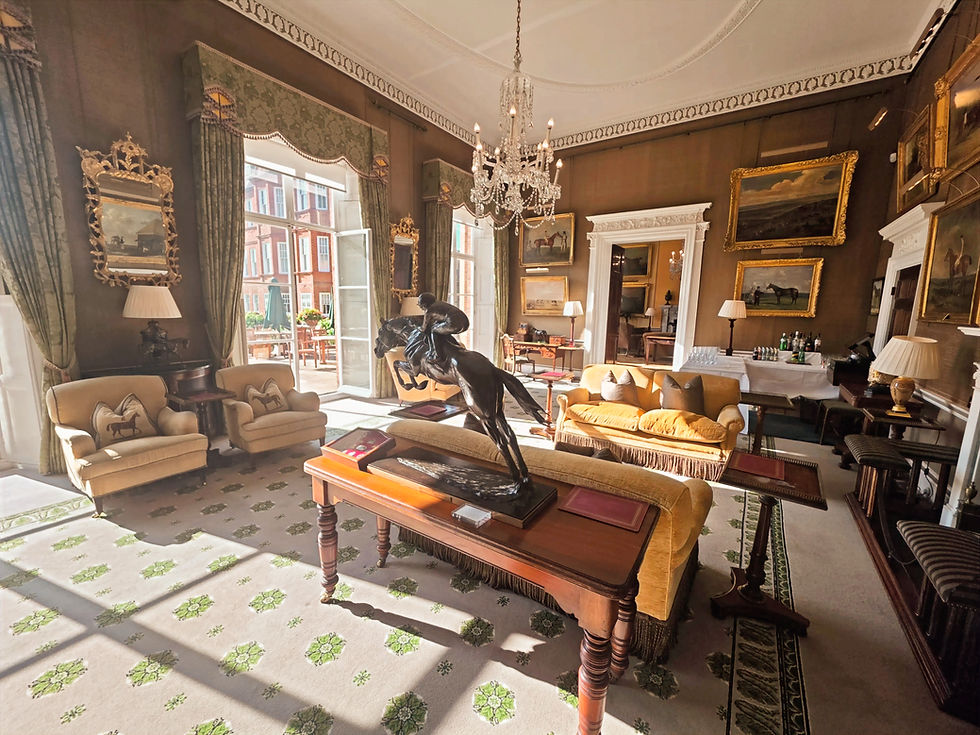
If you want to delve deeper into the history of the building, you can book a Champagne Afternoon Tea & Tour, available through Discover Newmarket. Judging by the tour we took with them to the National Stud, then a tour of the Jockey Club would be equally terrific. They also serve Sunday Lunch on a few select dates each year.


I really enjoyed looking at a wall full of the original plans for the building.

History lingers in every corner and paintings of legendary horses line the corridors.

Turn one way and there's a painting of the late Queen Elizabeth. It’s no secret that her late Majesty has long held a passion for all things equestrian, with a keen interest in horse racing and a history of breeding winning thoroughbreds.

Turn another corner and you are face to face with a painting of Winston Churchill, a keen rider, a rider to hounds and polo player, he served as a cavalry officer and in his later years was a horse owner and breeder. He rode more extensively than any other UK Prime Minister before or since. He once said, “Horses were the greatest of my pleasures.”

Corridors are packed with artefacts such as old voting boxes, weighing scales and other horse ephemera, dotted about to create a layered design aesthetic.

Turning down another corridor and you are faced with walls lined in photographs of racing's great and good.

We wandered along, spotting names we recognised: Frankie Dettori, Lester Piggott, and even the highly acclaimed member, sports broadcaster Clare Balding, whose family has deep roots in horse training and who herself has long-standing connections to the racing world.

You can feel the weight of tradition in the hush of each hallway, the sense that every decision made here left a mark on the sport.
The Bedrooms at the Jockey Club Rooms
The 18 bedrooms, spread over several floors, are quietly luxurious, individually designed and full of character.

The rooms are a cosy mix of antique and reproduction furniture, with soft carpets underfoot, thickly lined curtains, sumptuous headboards and walls dotted with equine prints and watercolours, cementing a real sense of place.
There’s no reception desk and no 24-hour room service. We certainly had to call the night porter, who started work at 6pm, and was the only member of staff on call. He fixed one of our televisions, though we were spoilt with two, so we would have managed perfectly without.
Our room - The King's Suite
We splashed out a bit and stayed in the King's Suite, which comes with a private sitting room, antique four poster bed and luxurious bathroom. It was still much cheaper than our hotel in Cambridge, even including breakfast. A bargain!

This room was used by Edward VII, Queen Victoria's eldest son and the UK's monarch from 1901 until 1910. Bertie's bath and taps are still in situ, and I bet they could tell a few tales.

Bertie had quite a reputation. Known as a playboy, he loved the high life, fine food, fashion, and was a central figure in London society before his short reign as king. He is also the only reigning monarch to own a Derby winner, the only member of the Royal Family to win the Triple Crown and the only person to have owned a Grand National winner and a Triple Crown winner in the same year, so his links to racing are long and storied. His horses were trained in Newmarket, and the King Edward VII Stakes is run in his honour at Ascot each year. During his marriage Edward VII had a long standing favourite mistress, Alice Keppel, coincidentally the great-grandmother of our Queen Camilla.

The walls of the suite are lined with equestrian art, from horse prints to cartoons.

A small booklet provides details and a little of the history. I reckon a larger coffee table book in the room on the subject would add even more.


Having your own lounge was an added bonus, a little spot to relax after a long day sightseeing.

The views over the gardens and beyond, basked in early morning sunshine, were lovely and you could just make out the training yard beyond the walls.


With a dining table we had a simple supper and watched a movie, though we could have done with some cutlery and dinnerware. The night porter brought that upon request though. We went out the next night for dinner to the Italian next door.

Terrace and grounds at the Jockey Club Rooms
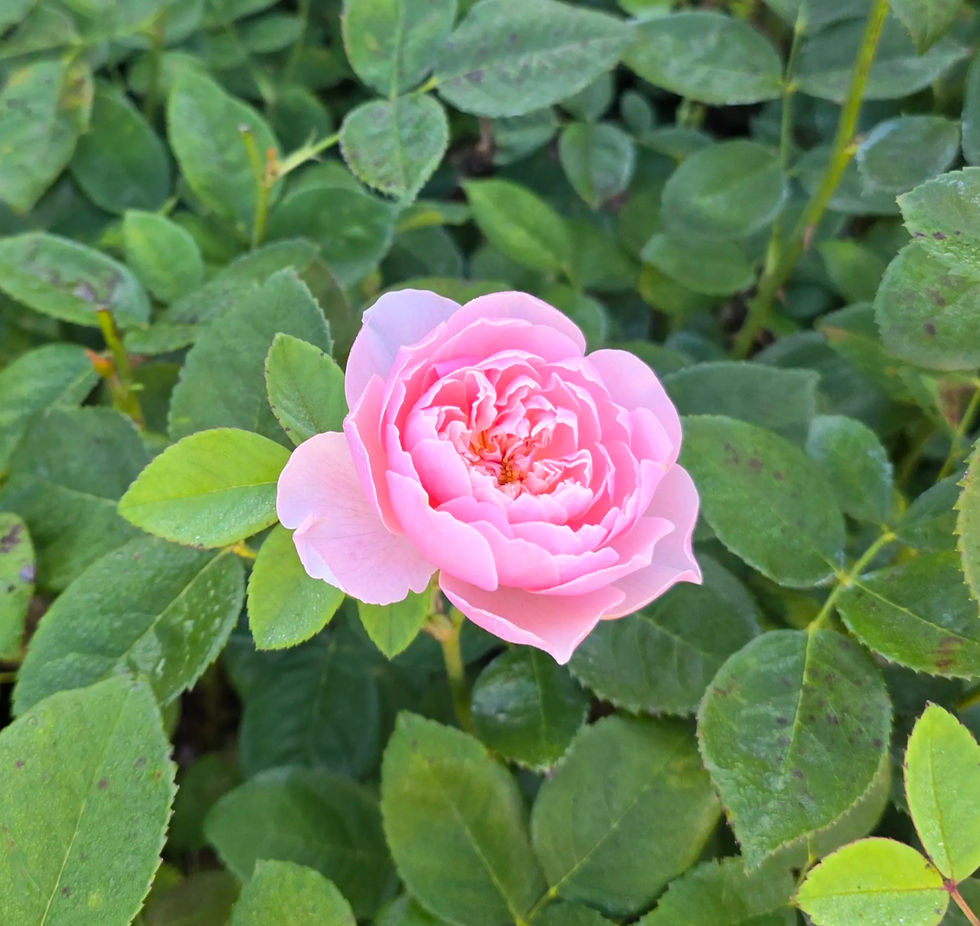
Step outside onto the broad terrace and you’re greeted by manicured lawns and immaculate borders, the kind of garden that invites lingering with a cup of coffee or glass of champagne in hand.


There's a few spots that would make beautiful backdrops for wedding photos.


There's a board on the wall that tells guests which gallops are open for their horses and just beyond the walled garden is a training yard where future champions walk out each morning.

John Skeaping’s life-sized bronze of the diminutive Derby winner, Hyperion, stands in front of the building, facing the high street. One of the most important thoroughbreds of the 20th century, his life after racing was to become a champion sire, with his bloodline spread around the world, shaping generations of winning racehorses.

Is a stay at the the Jockey Club Rooms worth it?
I knew so little about horse racing that I wondered if staying at the Jockey Club Rooms would make a lasting impression. It did. And that, in brand terms, is the point.
From the moment we arrived for our 2 night stay, it was clear that this is a place not resting on it's past, but a living, working Club that just happens to open its doors to the general public from time to time.
The rooms, corridors and shared spaces are filled with artefacts and artwork that quietly tell the story of British horse racing.
Look if you're in the horse racing world, most of the items on show will be very familiar. For us, they were a great pleasure. We enjoyed slowing down, people watching, revelling in a little nostalgia and learning a little more. Pair a stay here with visits to the National Horseracing Museum and the National Stud and you leave Newmarket with a far deeper appreciation for the sport and, more importantly, the remarkable horses at its heart.
Our suite was generous in size and extremely comfortable. There's no restaurant on site, so a little planning will be required. If you can time your stay to coincide with one of their afternoon teas or a Friday night jazz event, do. They will add another level to the experience. Even without them, you'll be well looked after. Breakfast is delicious and substantial, and there are plenty of good country pubs within driving distance.
It is worth noting that there is a dress code for breakfast, so don't pack your shorts, ripped jeans and trainers. This is, after all, still a private members’ club. If this sounds intimidating, it really is not. Service is polished, charmingly so, with white gloves for breakfast, but the staff are warm, welcoming and genuinely friendly.
Newmarket has enough to keep you busy if you want to explore, but if you want to just curl up in front of the fire with the TV on, or soak in the King's tub and read a book, then the Jockey Club rooms have you covered.
Considering the quality of the experience, the rooms represent excellent value, especially compared to other places we stayed during our trip.
This hidden gem stays with you long after you leave and we will be champing at the bit to return.
Plan your visit to the Jockey Club Rooms
Address
Address: The Jockey Club Rooms, Suffolk, England, CB8 8JL
Website: Jockey Club Rooms
How long was the visit?
We stayed for 2 nights on a Sunday and Monday evening.
How much are rooms?
We paid for our own room and this was not part of any advertising. Double rooms from £160, year-round, with breakfast included. A bargain!
Getting to the Jockey Club Rooms
Newmarket is located on the border between Cambridgeshire and Suffolk. It is easily accessible by car from the A14, and we drove there from Cambridge, on a ten day road trip from Scotland to Suffolk.
Trains run regularly from Cambridge and Ipswich, and is 1 and a half hours journey from London. The Jockey Club Rooms is a mere 40 minutes from Stansted airport, which has regular flights from European and International airports. Arrival to Newmarket is also possible by helicopter or private aircraft, as there is a bookable landing spot at the July Course, Newmarket Racecourses.
There are gates to an enclosed car park, so our car was well looked after.
What to see near the Jockey Club Rooms
Newmarket is all about horse racing and we really enjoyed two more horse related activities during our visit.
The National Horseracing Museum is an excellent visitor attraction by design experts Mather & Co, who are behind other brand experiences we have written about, such as Silverstone Museum and the Royal Mint Experience, plus many more I have visited but am yet to post about. Only a few steps from The Jockey Club Rooms, we spent a whole afternoon engaging with the interactive elements and collection of all things racing, even meeting a few race horses and some delightful Shetland ponies.

A few minutes drive from The Jockey Club Rooms is The National Stud. This was a true highlight of our trip and certainly delivered way above our expectations. We got up close to some of the most beautiful horses, with a knowledgeable guide who made it fun but educational and we certainly left appreciating the work that goes into producing winning race horses, and the after care when they come to the end of their careers.

Further reading
Newmarket Charitable Foundation Trust have plans to create a royal square and regenerate Newmarket's town centre.
Sports fans, if you liked this article then check out our guide to Silverstone Museum, Indianapolis Motor Speedway Museum, Sapporo Olympic Museum and the Japan Olympic Museum. More sports related visitor guides coming soon.
Please note - I'm real
I visit every brand visitor centre and experience myself. My feedback is real, based on a single visit, but informed by years of experience designing and exploring brand experiences all over the world.
I love writing my own reflections, diving into a brand's history, doing the research and looking at spaces through the eyes of a commercial interior designer. With over 30 years of working with customers, I also enjoy watching how guests interact with guides, displays and spaces. Everything I share is honest, personal and entirely human, not AI generated.
That authenticity is important to me, and if it's important to you and you want to work with me, or share your experiences or want to suggest others, then I am happy to be contacted via this website.
Photographs: ©Julie White unless noted otherwise
Disclaimer - The views and opinions expressed are solely my own. I paid for the tours in full and any comments reflect my personal experiences on that day. Please drink responsibly. Please visit and garner your own thoughts and feel free to research the brand and the visitor centre in question.


Comments